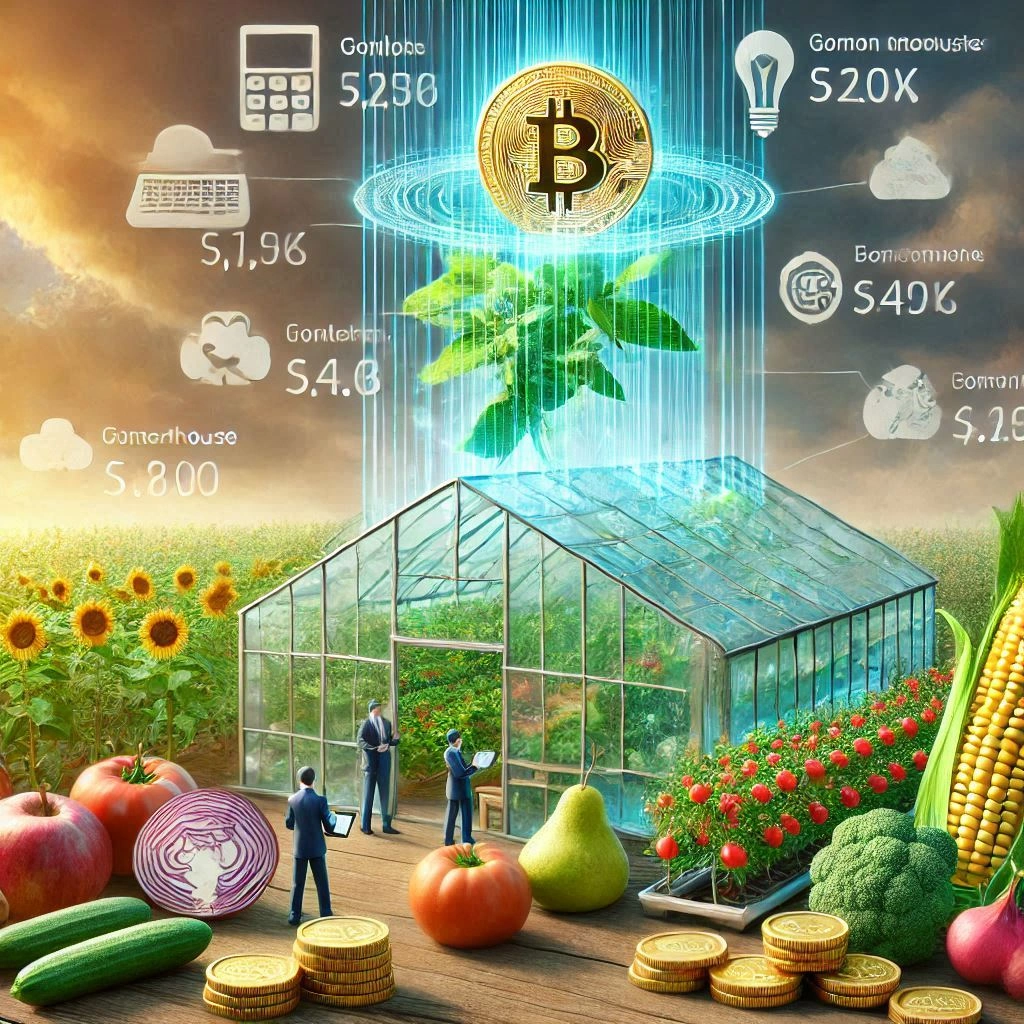


Smart Greenhouses and Their Impact on the Labor Market The automation of greenhouses using advanced technologies such as IoT and artificial intelligence has attracted much attention from farmers. These technologies can help increase productivity and reduce costs. However, there are concerns about their impact on…
The automation of greenhouses using advanced technologies such as IoT and artificial intelligence has attracted much attention from farmers. These technologies can help increase productivity and reduce costs. However, there are concerns about their impact on the labor market, especially regarding worker unemployment. Does greenhouse automation necessarily lead to unemployment, or can it create new opportunities for workers? In this article, we explore this topic and propose solutions for managing the workforce in this new situation.
Greenhouse automation using advanced technologies such as IoT sensors and automated control systems can significantly change the need for human labor. These changes can occur in two main ways:
In summary, while greenhouse automation can automate some traditional tasks and reduce the need for human labor, it also creates new job opportunities for workers with the appropriate skills. Therefore, the impact of these technologies on the labor market is dual and requires proper management and planning to mitigate negative effects and capitalize on positive opportunities.
| Benefits | Explanation |
|---|---|
| Increased Productivity | By using smart systems, workers can perform their tasks more effectively and quickly. |
| Skill Enhancement | Workers have the opportunity to learn new skills such as working with smart systems and data management. |
| Creation of New Job Opportunities | Greenhouse automation can lead to the creation of new jobs in related fields such as software development and smart system management. |
| Reduction of Physical Labor | Many physical tasks that were previously done by workers can now be automated, reducing physical strain on workers. |
| Improved Working Conditions | By using advanced technologies, workers’ working conditions can improve, creating a safer and more comfortable work environment. |
Greenhouse automation can automate some traditional tasks and reduce the need for human labor. However, with proper planning and effective solutions, it is possible to prevent increased worker unemployment and even create new opportunities for them. Here are some proposed solutions for managing the workforce in this new situation:
Greenhouse automation using advanced technologies can help increase productivity and improve workers’ working conditions. However, there are concerns about its impact on the labor market. By training workers, creating new jobs, and collaborating between public and private sectors, it is possible to prevent increased worker unemployment and create new opportunities for them. Therefore, with proper planning, greenhouse automation can lead to both increased productivity and improved working conditions for workers.


