

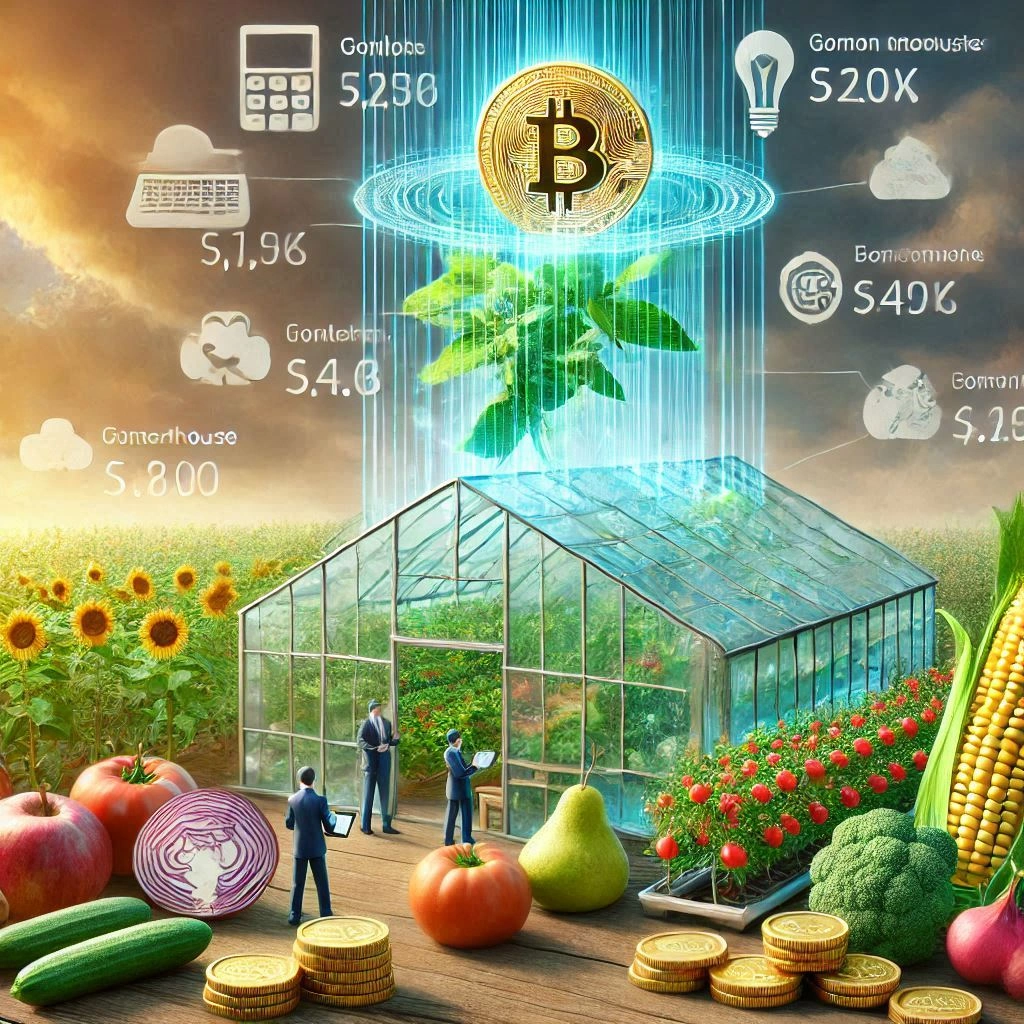
Impact of Greenhouse Automation on Agricultural Product Prices Automating greenhouses using advanced technologies such as sensors, automated control systems, and the Internet of Things (IoT) enables more precise and efficient management of the greenhouse environment. These technologies can have a significant impact on the prices…
Automating greenhouses using advanced technologies such as sensors, automated control systems, and the Internet of Things (IoT) enables more precise and efficient management of the greenhouse environment. These technologies can have a significant impact on the prices of agricultural products. We will explore these effects below:
Greenhouse automation allows for continuous monitoring and control of environmental conditions such as temperature, humidity, light, and carbon dioxide levels. This helps products grow better and faster, with higher quality. Higher quality products typically command higher prices in the market, as consumers are willing to pay more for healthier and higher quality products.
Using smart systems in greenhouses can lead to reduced production costs. These systems enable optimal use of resources such as water, energy, and fertilizers. For example, smart irrigation systems can deliver precise amounts of water at the right time, reducing water waste. Additionally, automated control systems can optimize energy consumption and reduce labor costs. These cost reductions can indirectly affect the final prices of products, making them cheaper.
Greenhouse automation can help increase production and ensure a sustainable supply of agricultural products. By managing environmental conditions more precisely, farmers can have multiple growing cycles per year and increase their production. This increased production can boost product supply in the market and help balance prices. Additionally, a sustainable supply of products can reduce risks associated with price fluctuations and create more stability in the market.
Despite the mentioned advantages, the initial costs of greenhouse automation can be high. Installing and setting up smart systems requires significant investment, which may be challenging for some farmers. These costs can affect product prices in the short term, making them more expensive. However, in the long term, these investments can lead to reduced production costs and increased productivity, indirectly positively impacting the final prices of products.
Greenhouse automation can have a significant impact on the global market for agricultural products. Farmers using these technologies can produce higher quality products at competitive prices and export to foreign markets. This can enhance farmers’ competitiveness in the global market and contribute to economic growth and agricultural development.
| Challenge/Limitation | Explanation | Proposed Solutions |
|---|---|---|
| Initial Costs and Investment | Installing and setting up smart systems requires significant investment, which may be challenging for some farmers. | – Providing financial facilities and low-interest loans
– Government support and grants |
| Need for Technical Training and Skills | Using advanced technologies requires technical training and skills, which may be difficult for some farmers. | – Holding training courses and workshops
– Providing technical support and consultation |
| Security and Privacy Issues | Using smart systems can lead to security and privacy issues that require data management and protection. | – Using strong security systems
– Providing security training for farmers |
| Dependence on Technology | Excessive dependence on technology can lead to production problems in case of technical issues or power outages. | – Providing backup and storage systems
– Designing embedded systems |
| Market Fluctuations | Market fluctuations and price changes can affect the implementation of smart technologies and create financial risks. | – Diversifying products and export markets
– Using risk prevention contracts |
Greenhouse automation using advanced technologies such as sensors, automated control systems, and the Internet of Things (IoT) enables more precise and efficient management of the greenhouse environment. These technologies can help increase productivity and quality of products, reduce production costs, and increase production and sustainable supply of agricultural products. However, initial costs and necessary investments, the need for technical training and skills, security and privacy issues, dependence on technology, and market fluctuations are some of the challenges and limitations that need to be considered. Overall, with proper management and appropriate implementation, greenhouse automation can help improve the economic situation of farmers and contribute to sustainable agricultural development.


