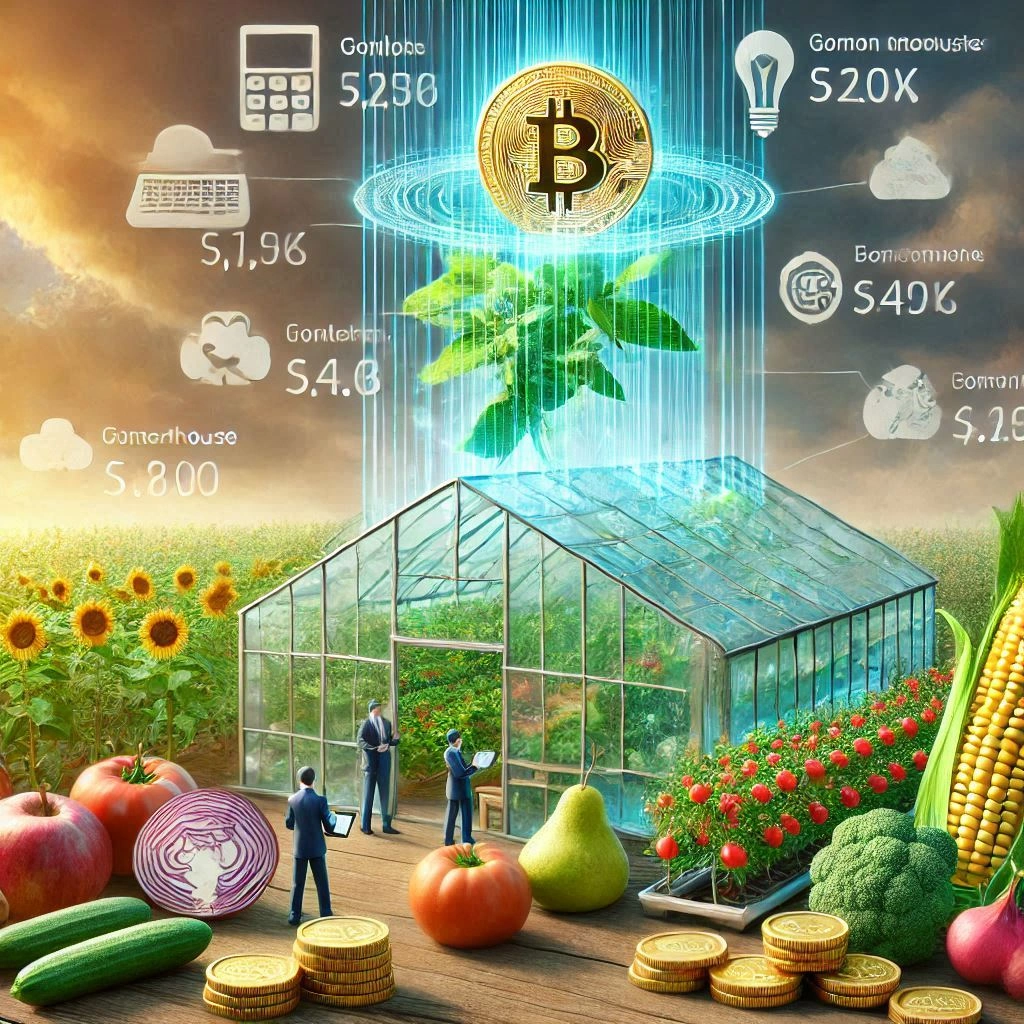
نقش گلخانه های هوشند در امنیت غذایی

Low-cost greenhouses improve food security

The Impact of Smart Greenhouses on Food Security Smart greenhouses, using advanced technologies, enable increased food production and improved food security. These impacts can be summarized as follows: Increased Food Production in Challenging Conditions Smart greenhouses can precisely control environmental conditions and help produce high-quality…

مطالب این مقاله

The Impact of Smart Greenhouses on Food Security

Smart greenhouses, using advanced technologies, enable increased food production and improved food security. These impacts can be summarized as follows:

  1. Increased Food Production in Challenging Conditions

    • Smart greenhouses can precisely control environmental conditions and help produce high-quality and safe food in challenging conditions. This is particularly important in arid and water-scarce regions or areas with harsh climatic conditions.
  2. Reduction of Food Waste

    • By precisely controlling environmental conditions such as temperature, humidity, and light, smart greenhouses can help reduce food waste. This is due to the increased quality of products and reduced damage from adverse environmental conditions.
  3. Ensuring Product Quality and Safety

    • Smart greenhouses, using automated control systems and environmental sensors, enable continuous monitoring of environmental conditions. This helps ensure product quality and safety and prevents chemical and biological contamination.
  4. Increased Productivity and Reduced Costs

    • Smart greenhouses, using advanced technologies, enable increased productivity and reduced production costs. This is due to reduced water, energy, and chemical fertilizer consumption.
  5. Ensuring Sustainable Food Supply

    • By increasing productivity and reducing food waste, smart greenhouses can help ensure a sustainable food supply. This is due to increased food production and reduced dependence on adverse environmental conditions.
  6. Reduced Dependence on Labor

    • Smart greenhouses, using robotics and automated systems, enable reduced dependence on labor. This is due to reduced labor costs and increased productivity.
  7. Improved Management of Natural Resources

    • Smart greenhouses, using automated control systems and environmental sensors, enable improved management of natural resources. This is due to reduced water, energy, and chemical fertilizer consumption.
  8. Increased Production in Different Seasons

    • Smart greenhouses, using automated control systems and environmental sensors, enable increased food production in different seasons. This is due to the control of environmental conditions and the creation of suitable conditions for plant growth.
  9. Reduction of Climate Change Impacts

    • Smart greenhouses, using automated control systems and environmental sensors, enable the reduction of climate change impacts. This is due to the control of environmental conditions and the creation of suitable conditions for plant growth.
  10. Increased Organic Food Production

    • Smart greenhouses, using automated control systems and environmental sensors, enable increased organic food production. This is due to reduced use of chemical fertilizers and the creation of suitable conditions for plant growth.

Case Studies

To better understand the impact of smart greenhouses on food security, several case studies from different countries are reviewed. These studies demonstrate the success and potential of these technologies in improving food production and reducing food waste.

Case Study 1: Netherlands

Geographical Location: Netherlands
Product Type: Flowers and ornamental plants
Technologies Used: Automated control systems, environmental sensors, robotics
Results:

– 30% increase in flower and ornamental plant production
– 20% reduction in water consumption

– 15% reduction in energy consumption
– 25% reduction in food waste

Case Study 2: Japan

Geographical Location: Japan
Product Type: Vegetables
Technologies Used: Automated control systems, environmental sensors, artificial intelligence
Results:

– 25% increase in vegetable production
– 18% reduction in water consumption

– 12% reduction in energy consumption
– 20% reduction in food waste

Case Study 3: United States

Geographical Location: United States (California)
Product Type: Fresh fruits
Technologies Used: Automated control systems, environmental sensors, artificial intelligence
Results:

– 20% increase in fresh fruit production
– 15% reduction in water consumption

– 10% reduction in energy consumption
– 18% reduction in food waste

Analysis and Comparison of Results

Country Production Increase (%) Water Consumption Reduction (%) Energy Consumption Reduction (%) Food Waste Reduction (%)
Netherlands 30 20 15 25
Japan 25 18 12 20
United States 20 15 10 18

Smart greenhouses, using advanced technologies such as automated control systems, environmental sensors, robotics, and artificial intelligence, enable increased food production and improved food security. These technologies can precisely control environmental conditions and help produce high-quality and safe food in challenging conditions. Additionally, smart greenhouses can help reduce food waste and improve product quality.

Case studies show that smart greenhouses can significantly contribute to increased food production and reduced consumption of natural resources. These results demonstrate the high potential of smart greenhouses in improving food security. With technological advancements and increasing need for food security, smart greenhouses will play a more vital role in sustainable and safe food production.

The future of smart greenhouses is bright with new technologies such as artificial intelligence, machine learning, robotics, automation, automated control systems, advanced sensors, renewable energy sources, and Internet of Things technologies. Additionally, the role of governments and international organizations in providing financial support, education, technical support, infrastructure development, and encouraging research and development is very important. With the cooperation of all these factors, we can achieve sustainable food security and produce safe and high-quality food.

Ultimately, smart greenhouses, with their high potential, can help solve global food security challenges and aim for a sustainable and safe future for food production.

Leave a Reply

Your email address will not be published. Required fields are marked *

معرفی شرکت ساعیان صنعت نوین
فهرست این متن

محصولات مرتبط: