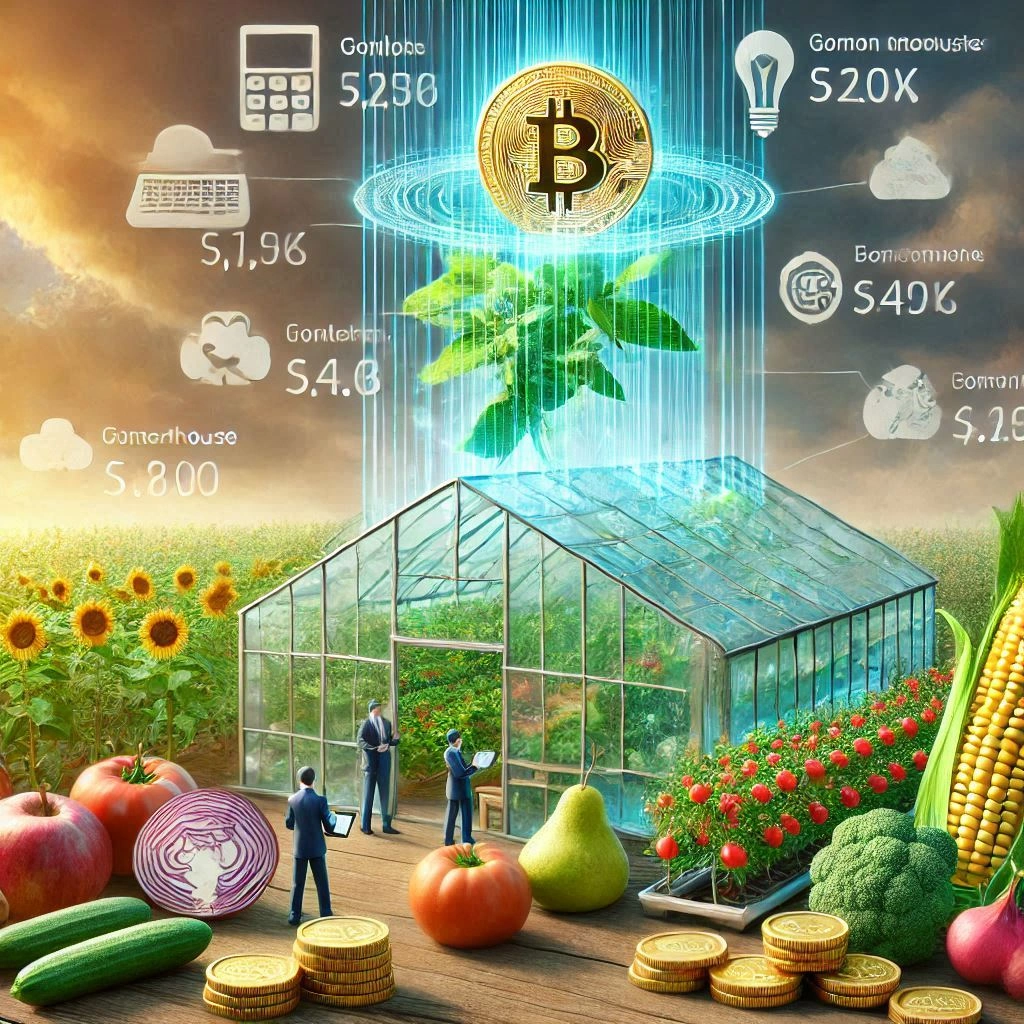


Key Achievements of Agricultural Technology in 2025 In 2025, agriculture, as one of the world’s most important industries, is undergoing significant transformations due to technological advancements. These achievements have not only helped improve agricultural productivity and efficiency but have also contributed to solving global food…
In 2025, agriculture, as one of the world’s most important industries, is undergoing significant transformations due to technological advancements. These achievements have not only helped improve agricultural productivity and efficiency but have also contributed to solving global food supply challenges and protecting the environment. From precision agriculture and automated irrigation systems to biotechnology and water resource management, new technologies play a vital role in shaping the future of agriculture. This article examines the key achievements of agricultural technology in 2025 and reviews their impact on improving agriculture and ensuring sustainable food supply.
Precision agriculture is one of the most important technological achievements in 2025, helping to improve agricultural productivity and efficiency. This method of farming uses advanced technologies such as sensors, the Internet of Things (IoT), and Global Positioning Systems (GPS) to enable farmers to manage farming operations more accurately and effectively.
Various sensors, such as soil moisture sensors, temperature sensors, and weed identification sensors, provide farmers with accurate information about environmental conditions in their fields. This information helps farmers make better decisions about irrigation, fertilization, and weed control. IoT also enables real-time monitoring and control by connecting sensors and management systems.
GPS systems play a vital role in precision agriculture. These systems enable farmers to map their fields with high accuracy and perform farming operations such as fertilization and planting with high precision. The use of GPS helps farmers use resources more effectively and reduce operational costs.
Data analysis and the use of artificial intelligence (AI) in precision agriculture help farmers utilize data collected by sensors and GPS systems. AI algorithms can identify patterns in the data and make predictions about farm performance. These predictions help farmers make better decisions about farm management and optimize farming operations.
| Aspect | Explanation |
|---|---|
| Water Resource Management | Use of advanced irrigation systems such as drip irrigation and sprinkler irrigation to save water and reduce waste. |
| Organic Fertilizers | Use of organic fertilizers and compost instead of chemical fertilizers to improve soil quality and reduce groundwater pollution. |
| Complete Farming Cycle | Use of circular farming methods that include recycling and reusing agricultural waste and organic materials. |
| Biodiversity Conservation | Promotion of multi-process farming and use of diverse species to increase resistance to diseases and pests. |
| Renewable Energy | Use of renewable energy sources such as solar and wind energy to supply the energy needs of farms. |
| Benefits | Explanation |
|---|---|
| Environmental Protection | Reduction of groundwater and surface water pollution, reduction of greenhouse gas emissions, and protection of natural resources. |
| Soil Quality Improvement | Increase in organic matter in the soil and improvement of soil structure and fertility. |
| Increased Food Production | Increase in agricultural productivity and efficiency and ensuring sustainable food supply. |
| Biodiversity Conservation | Increase in resistance to diseases and pests and protection of endangered species. |
| Cost Reduction | Reduction of costs related to chemical fertilizers and irrigation and increased resource efficiency. |
| Challenges | Explanation |
|---|---|
| Initial Costs | Implementing sustainable technologies requires high initial investment, which may be difficult for some farmers. |
| Education and Awareness | Need for education and increased awareness among farmers and consumers about the benefits and methods of sustainable agriculture. |
| Public Acceptance | Some consumers may not trust and accept sustainable agricultural products. |
| Regulatory Adjustments | Need for regulatory adjustments and strict supervision to ensure the correct implementation of sustainable farming methods. |
Agricultural e-commerce is one of the most important technological achievements in 2025, helping to improve access to agricultural markets and increase business opportunities for farmers. This method uses online platforms and digital technologies to enable the electronic conduct of agricultural transactions. In this section, we review the key aspects of agricultural e-commerce.
2025 is a year in which advanced technologies significantly assist agriculture, turning industry challenges into significant opportunities. Biotechnology helps improve food production and reduce environmental impacts by creating plants and animals resistant to diseases and harsh weather conditions. Automated irrigation systems and automated farming increase productivity and efficiency, enabling farmers to perform farming operations more accurately and effectively. Additionally, agricultural e-commerce creates new opportunities for farmers and buyers by increasing access to agricultural markets and reducing transaction costs.
However, despite the numerous advantages, these technologies also face challenges that need to be addressed through technological advancements and increased awareness. Initial implementation costs, the need for education and technical skills, public acceptance, and regulatory adjustments are several obstacles that need to be overcome with careful planning and strict supervision.
Overall, 2025 is a year in which advanced technologies help agriculture move towards a


